
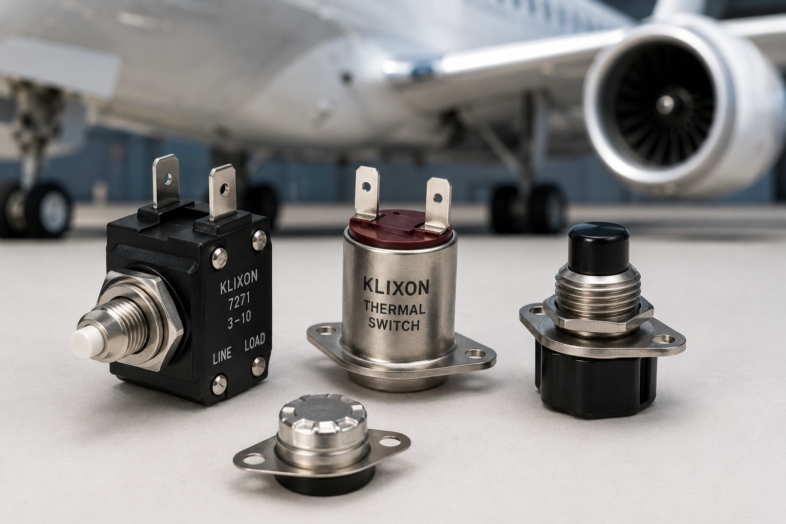
Modern aerospace systems represent some of the most advanced engineering achievements in human history. From commercial aircraft and military jets to satellites and space exploration vehicles, these systems operate in environments where reliability is not simply a performance metric—it is a requirement for safety and mission success.
Among the many engineering challenges faced by aerospace designers, thermal management remains one of the most critical. Electrical systems, avionics, power distribution networks, propulsion components, and control systems all generate heat during operation. If that heat is not effectively managed, it can lead to degraded performance, component failure, increased maintenance costs, and, in extreme cases, catastrophic system failures.
This is why thermal protection has become a fundamental aspect of aerospace engineering. Advanced thermal protection technologies help maintain safe operating temperatures, protect sensitive equipment, and ensure long-term reliability across a wide range of aerospace applications. Thermal management and protection systems are considered essential for safeguarding aircraft and spacecraft from temperature extremes and heat-related damage.
Understanding Thermal Protection in Aerospace
Thermal protection refers to the methods, materials, and devices used to control, manage, and mitigate the effects of excessive heat within a system. The primary objective is to prevent temperatures from reaching levels that could damage components, compromise performance, or create safety hazards.
In aerospace applications, thermal protection systems serve multiple functions:
- Protecting electrical and electronic equipment
- Preventing overheating in motors and actuators
- Maintaining stable operating conditions for avionics
- Protecting wiring and insulation systems
- Reducing thermal stress on critical components
- Enhancing overall system reliability
Aircraft and spacecraft encounter unique thermal challenges that are rarely found in other industries. High-altitude operations, rapid temperature fluctuations, engine heat, electrical loads, and environmental exposure all contribute to complex thermal conditions that must be carefully controlled. Aerospace thermal protection systems are specifically designed to reduce heat transfer, protect sensitive electronics, and maintain structural and electrical integrity under demanding operating conditions.
Why Heat Is a Major Threat to Aerospace Systems
Heat is one of the leading causes of premature equipment degradation. While most aerospace components are designed to withstand harsh operating environments, excessive temperatures can significantly shorten their lifespan.
When temperatures exceed recommended limits, several problems can occur:
Electronic Component Failure
Modern aircraft rely heavily on sophisticated electronics. Flight control systems, navigation equipment, communication systems, and monitoring devices all depend on reliable electronic components.
Excessive heat can cause:
- Circuit degradation
- Reduced processing performance
- Sensor inaccuracies
- Premature component aging
- Unexpected shutdowns
As aerospace systems continue to become more compact and powerful, thermal management becomes increasingly important because higher-performance electronics generate greater heat loads.
Wiring and Insulation Damage
Aircraft electrical systems contain extensive networks of wires and cables. Elevated temperatures can damage insulation materials, increasing the risk of electrical faults, short circuits, and safety hazards.
Circuit protection technologies are specifically designed to protect wiring and electrical infrastructure from thermal overload conditions. Thermal-based protection mechanisms remain a core part of aircraft electrical safety systems.
Mechanical Stress and Material Fatigue
Repeated heating and cooling cycles create thermal expansion and contraction within materials. Over time, these thermal cycles can cause:
- Cracking
- Material fatigue
- Structural weakening
- Reduced component lifespan
Effective thermal management minimizes temperature fluctuations and helps maintain long-term structural integrity.
The Growing Importance of Thermal Management in Modern Aircraft
The aerospace industry is undergoing significant technological transformation. Today’s aircraft contain more electrical systems than ever before.
This trend is particularly visible in:
- More-electric aircraft
- Advanced avionics platforms
- Unmanned aerial vehicles (UAVs)
- Electric propulsion systems
- Hybrid-electric aviation technologies
As electrical power consumption increases, so does heat generation. Industry experts have emphasized that thermal management can no longer be treated as an afterthought because increasing electronic density directly increases thermal challenges.
Modern aerospace engineers must balance several competing priorities:
- Performance
- Weight reduction
- Power efficiency
- Reliability
- Safety
Achieving these goals requires robust thermal protection strategies integrated into system design from the beginning.
Thermal Protection Devices and Their Role
Thermal protection in aerospace relies on a combination of technologies. These include insulation materials, cooling systems, heat exchangers, sensors, circuit breakers, thermostats, and thermal switches.
Among these technologies, thermal switches play a particularly important role.
What Is a Thermal Switch?
A thermal switch is a temperature-sensitive device designed to open or close an electrical circuit when a predetermined temperature threshold is reached.
The purpose of a thermal switch is straightforward:
- Detect excessive temperatures
- Interrupt operation when overheating occurs
- Protect equipment from thermal damage
- Restore operation when temperatures return to safe levels
Thermal switches are widely used throughout aerospace systems because they provide a simple, reliable, and automatic method of thermal protection. In aircraft applications, thermal switch systems are commonly used to detect overheat conditions and activate protective responses when temperatures exceed safe limits.
The Role of Klixon Thermal Switch Technology
One of the most recognized names in aerospace thermal protection is Klixon.
For decades, Klixon products have been utilized across aerospace, military, industrial, and transportation sectors. Their portfolio includes thermal protection devices, thermostats, circuit breakers, thermal cutoffs, and sensing solutions engineered for demanding operating environments.
A Klixon Thermal Switch is designed to provide dependable temperature monitoring and protection in applications where reliability is critical. These devices help prevent overheating events that could otherwise result in equipment damage or system interruptions.
Key benefits include:
- Precise temperature response
- Proven reliability
- Compact design
- Long service life
- Compatibility with harsh operating environments
Because aerospace systems often operate under extreme conditions, thermal protection devices must continue functioning reliably despite vibration, shock, altitude changes, and temperature fluctuations.
Aerospace Applications That Depend on Thermal Protection
Thermal protection technologies are found throughout modern aircraft.
Avionics Systems
Avionics represent the electronic backbone of an aircraft. Navigation systems, communication equipment, flight management computers, and monitoring systems all generate heat during operation.
Thermal protection ensures these systems remain within safe operating temperatures.
Power Distribution Systems
Aircraft electrical systems require circuit protection and thermal monitoring to prevent overload conditions.
Thermal switches, circuit breakers, and protection devices help maintain electrical system safety by responding to abnormal temperature conditions before significant damage occurs.
Electric Motors and Actuators
Many aircraft functions rely on electric motors and actuators.
These components generate heat during operation, particularly under high-load conditions. Thermal protection devices help prevent overheating and ensure reliable performance.
Environmental Control Systems
Aircraft environmental control systems regulate cabin temperatures and support passenger comfort.
Thermal monitoring plays an important role in maintaining efficient and safe operation.
Thermal Protection and Aerospace Safety
Safety remains the highest priority in aerospace engineering.
Every component, system, and subsystem must meet stringent reliability standards. Even minor failures can have significant consequences.
Thermal protection contributes to safety by:
- Preventing overheating events
- Reducing fire risks
- Protecting electrical systems
- Supporting continuous operation
- Enhancing system reliability
Aircraft contain numerous heat-generating systems and sensitive electronics that require adequate thermal insulation and protection to prevent heat-related failures and maintain operational safety.
Future Trends in Aerospace Thermal Management
The future of aerospace technology will likely place even greater emphasis on thermal management.
Several emerging trends are driving this evolution:
Electrification
Electric propulsion and hybrid-electric aircraft are creating new thermal challenges.
Higher power densities mean greater heat generation, requiring more advanced protection strategies.
Advanced Avionics
Modern avionics systems continue to become smaller, faster, and more capable.
However, increased processing power often translates into higher thermal loads that must be carefully managed.
Autonomous Systems
The growth of autonomous aircraft and UAV platforms introduces additional thermal management requirements because onboard computing systems operate continuously and generate substantial heat.
Space Exploration
Spacecraft face unique thermal environments characterized by extreme temperature variations and limited heat dissipation options.
Advanced thermal protection technologies remain essential for protecting mission-critical systems. Thermal protection systems are widely recognized as vital components in both aerospace and space missions where temperature extremes can threaten mission success.
Choosing the Right Thermal Protection Solution
Selecting thermal protection devices requires careful evaluation of several factors:
- Operating temperature range
- Environmental conditions
- Vibration resistance
- Electrical requirements
- Regulatory compliance
- Reliability expectations
Aerospace applications demand solutions that have been proven under real-world operating conditions.
Manufacturers and OEMs often prioritize products with extensive aerospace experience because reliability and certification are critical considerations in aircraft design.
Organizations seeking advanced thermal protection technologies frequently rely on established solutions such as the Klixon Thermal Switch because of their long-standing reputation for dependable performance in aerospace and defense applications.
For companies seeking aerospace-grade thermal protection, circuit breakers, thermostats, and sensing technologies, comprehensive Klixon solutions are available through Inventechs Technology: https://www.inventechs.ae/klixon/
Conclusion
Thermal protection is one of the most important yet often overlooked aspects of aerospace engineering. As aircraft and spacecraft become more advanced, the challenges associated with heat management continue to grow.
From avionics and power distribution systems to electric propulsion and autonomous platforms, thermal protection technologies play a vital role in maintaining safety, reliability, and performance. Effective thermal management helps prevent equipment failures, extend component lifespan, and ensure mission success across a wide range of aerospace applications.
Among the many solutions available, thermal switches remain a critical line of defense against overheating. Technologies such as the Klixon Thermal Switch provide dependable temperature monitoring and protection, helping aerospace engineers meet the demanding reliability standards required in modern aviation and defense systems.
As the aerospace industry continues to evolve, thermal protection will remain a cornerstone of safe and efficient aircraft operation, supporting the next generation of innovation in aviation and space exploration.


 Login with Google
Add Comment