
In today’s competitive digital landscape, security compliance has become a critical factor for business success. Companies handling sensitive data must prove their commitment to compliance, security, and trust.
Understanding how SOC frameworks work and what auditors expect can give your business a strong advantage, especially in the B2B SaaS and cloud native ecosystem.
What is SOC 2 and Why It Matters
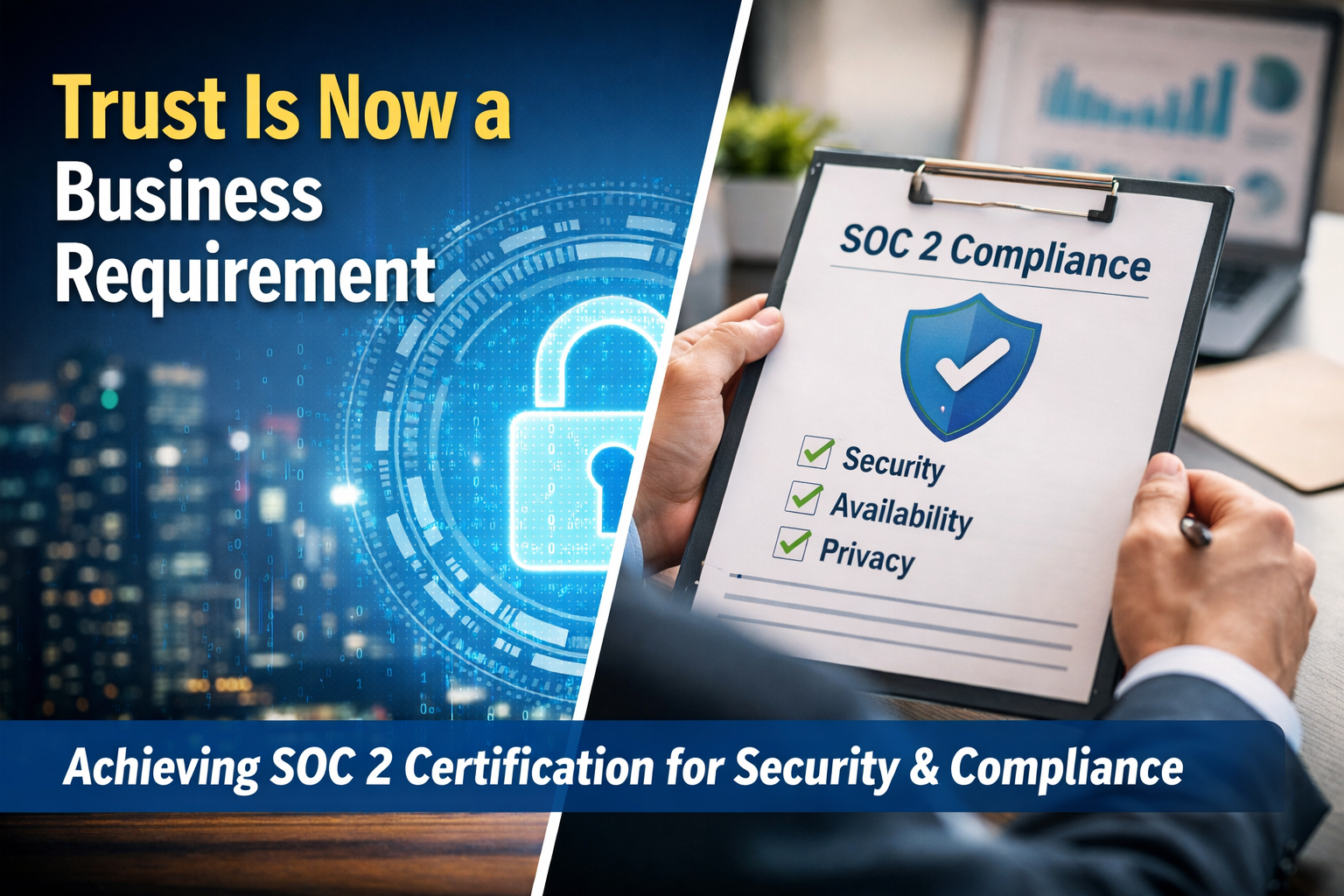
SOC 2 is a widely recognized compliance framework designed to evaluate how organizations manage customer data. It focuses on security, availability, processing integrity, confidentiality, and privacy.
For modern B2B SaaS companies, achieving SOC compliance is not just a requirement—it’s a growth driver. Strong security compliance builds trust and supports long-term growth cloud native businesses depend on.
The Importance of Security Compliance in Cloud Native Growth
Cloud native companies operate in highly dynamic environments where risks evolve quickly. Maintaining security compliance ensures that systems remain protected while enabling scalable growth.
Organizations leveraging cloud native expertise often prioritize:
- Continuous monitoring
- Automated compliance workflows
- Real-time risk detection
This approach supports growth cloud native strategies without compromising security.
Understanding the SOC 2 Trust Principles
SOC 2 is built on five Trust Service Criteria that guide audits and compliance processes.
Security
Security is the foundation of all compliance efforts. It ensures systems are protected against unauthorized access and vulnerabilities.
Availability
Systems must remain operational and accessible to meet business and customer expectations.
Processing Integrity
Ensures accurate and reliable system processing.
Confidentiality
Protects sensitive business and customer information.
Privacy
Ensures proper handling of personal data.
Each of these principles plays a key role in achieving strong security compliance decrypt strategies.
What Auditors Evaluate During SOC Audits
Auditors assess both the design and effectiveness of controls. They look beyond documentation to evaluate real-world implementation.
Key evaluation areas include:
- Risk management controls
- Security policies and procedures
- Evidence of operational effectiveness
- Monitoring and logging systems
To explore this further, visit https://decrypt.cpa/soc-2-trust-principles-and-what-auditors-evaluate/
Common Challenges in Security Compliance and Audits
Many organizations struggle with audits due to manual processes and lack of expertise.
Some common issues include:
- Inefficient documentation
- Lack of automation
- Misalignment between teams
- Delays in evidence collection
Without proper systems, audits compromise growth and slow down compliance efforts. This is where streamlined security audits become essential.
How to Achieve Certified 50% Faster Compliance
Modern businesses aim to get certified 50% faster by adopting automation and structured workflows.
Here’s how:
- Use compliance automation tools
- Standardize documentation processes
- Continuously monitor controls
- Align teams across security and compliance
Platforms like https://decrypt.cpa/ enable organizations to achieve certified 50% faster outcomes through efficient audit management.
The Role of ISO Certification in Security Compliance
ISO certification iso standards complement SOC frameworks by providing globally recognized benchmarks.
Benefits of ISO certification include:
- Enhanced credibility
- Stronger security posture
- Improved audit readiness
- Better alignment with international standards
Combining SOC and ISO certification iso frameworks strengthens overall security compliance strategies.
Streamlined Security Audits for Better Outcomes
Streamlined security audits reduce complexity and improve efficiency. Instead of reactive processes, organizations can adopt proactive compliance strategies.
Key advantages:
- Faster audit completion
- Reduced operational burden
- Improved accuracy
- Better audit transparency
This approach ensures security audits certified processes are consistent and reliable.
Leveraging Cloud Native Expertise for Compliance
Organizations with cloud native expertise can implement scalable and automated compliance solutions.
Best practices include:
- Integrating compliance into DevOps workflows
- Using automated monitoring tools
- Maintaining real-time compliance dashboards
This enables responsive audits compromise challenges to be addressed quickly while supporting innovation.
Best Practices for Security Compliance Success
To succeed in today’s compliance landscape, businesses should follow these best practices:
- Implement continuous compliance monitoring
- Maintain clear and updated policies
- Conduct regular internal audits
- Use automation for evidence collection
- Align compliance with business growth goals
These strategies help avoid audits compromise growth issues and ensure long-term success.
Final Thoughts on Security Compliance and Growth
Security compliance is no longer optional, it’s a business necessity. Companies that invest in strong compliance frameworks gain a competitive edge, build trust, and accelerate growth.
By leveraging platforms like https://decrypt.cpa/ and focusing on streamlined security audits, organizations can simplify complex processes and achieve compliance efficiently.
In a rapidly evolving digital world, combining SOC frameworks, ISO certification iso standards, and cloud native expertise is the key to sustainable success.


 Login with Google
Add Comment