
In today’s fast-evolving electrical industry, efficient power distribution is more important than ever. Businesses and industrial facilities are increasingly shifting toward advanced solutions that reduce energy loss and improve system performance. One such innovation gaining popularity is the use of busbars in electrical systems.
If you want to understand how modern systems are improving efficiency, this detailed guide on busbar power distribution explains everything in depth.
Understanding Busbars in Electrical Systems
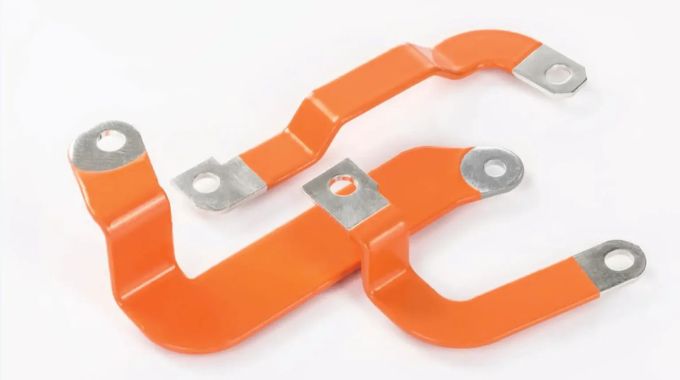
Busbars are solid conductors designed to carry and distribute electrical current across multiple circuits. Unlike conventional wiring, they provide a centralized and organized method of power transmission, making them highly effective in large-scale installations.
These conductors are typically made from copper or aluminum, ensuring excellent conductivity and durability in demanding environments.
Key Advantages of Using Busbars
Space Efficiency and Clean Design
One of the biggest advantages of busbars is their compact structure. They require significantly less installation space compared to traditional cable wiring, making them ideal for control panels, data centers, and industrial setups.
Superior Thermal Performance
Busbars are engineered to dissipate heat efficiently. Their design allows better airflow, which helps maintain lower operating temperatures and enhances the lifespan of electrical components.
Enhanced Safety and Reliability
Modern busbar systems are built with protective insulation and standardized connections, reducing the chances of faults or short circuits. This makes them a safer option compared to conventional cables.
To explore more about these improvements, check out this detailed article on benefits of busbars in modern applications.
Improved Electrical Efficiency
Busbars offer lower resistance, which minimizes energy loss during power transmission. This ensures stable voltage levels and better overall system performance, especially in high-load environments.
Busbars vs Traditional Cable Systems
When comparing busbars with cables, the difference becomes clear. Busbars provide better performance, reduced maintenance, and improved reliability.
If you’re evaluating which option suits your needs, this busbars vs cables comparison will help you make an informed decision.
The Rise of Laminated Busbar Technology
Advanced applications now rely on laminated busbars, which are designed to reduce inductance and improve electrical flow. These solutions are widely used in electric vehicles, renewable energy systems, and automation technologies.
You can learn more about how these advanced systems work and why they are becoming essential in modern industries.
Conclusion
Busbars are quickly becoming the preferred choice for electrical power distribution due to their efficiency, safety, and long-term cost benefits. As industries continue to evolve, adopting modern solutions like busbars is key to building reliable and future-ready electrical systems.



 Login with Google
Add Comment